How Homecare Can Help You Stay Independent at Home
Independence isn't about doing everything alone. It's about having the right support to keep living life on your own terms. Here are small, practical ways to make it easier.
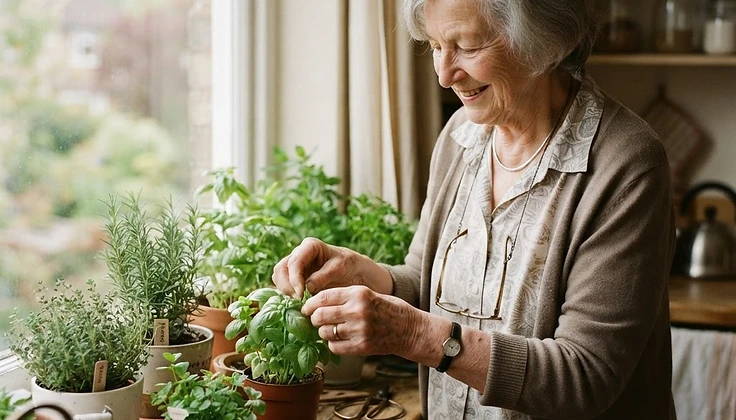
Independence is one of the things people fear losing most. But needing a little help doesn't mean you've stopped being independent. It often means the opposite — that you've found a way to keep living the life you want, in the home you know, for longer.
Here are some of the small, practical things that can help someone stay independent at home — whether that's you, or someone you love.
Start with the routines that matter most
Independence isn't an abstract thing. It's made up of routines — the morning cup of tea, the weekly walk, the evening call with a friend. When those routines become harder, independence starts to feel fragile.
So start there. Which parts of the day matter most? Which tasks have become more difficult? Sometimes the solution is small: a rail by the bath, a perching stool in the kitchen, a pill organiser that makes medication easier to manage.
You don't have to change everything at once. Small adjustments to the routines that matter most can make a surprising difference.
Make the home work harder
Many homes weren't designed with later life in mind, but they can be adapted. Good lighting reduces the risk of falls. Removing trip hazards — loose rugs, trailing wires — makes moving around safer. A clear path to the bathroom at night can make the difference between confidence and anxiety.
Some changes are simple and inexpensive. Others — like a stairlift or a walk-in shower — are bigger investments. An occupational therapist can help identify what would make the most difference, and many adaptations can be explored through a local authority assessment.
The goal isn't to change the home. It's to make the home work for the person living in it.
Don't underestimate companionship
Independence isn't only about practical tasks. It's about feeling connected. People who are isolated at home can lose confidence more quickly, not because they can't manage physically, but because the days feel long and the world feels far away.
Regular companionship — a weekly visit, a walk, a trip to the shops — can help maintain that connection. It's not care in the traditional sense, but it can be some of the most valuable support someone receives.
The right kind of help
When practical help is needed, the key is that it fits around the person, not the other way around. Support should respect their routines, their preferences, and their choices. A carer who comes at the same time each day, who knows how they like things done, who remembers what matters to them — that kind of support doesn't take independence away. It protects it.
It's also worth remembering that needing help with some things doesn't mean needing help with everything. Someone might be perfectly capable of managing their own meals but welcome help with bathing. They might be confident getting out and about but grateful for a hand with the housework. Support can be precise, not all-encompassing.
Keep reviewing
Independence isn't static. What works today might need adjusting in six months. The important thing is to keep the conversation open — to notice when something isn't working, and to feel able to ask for a change.
A good care provider will review support regularly, and will welcome those conversations rather than resist them. Care should evolve as circumstances do.
Independence is a practice, not a status
Staying independent at home isn't about doing everything alone forever. It's about having the right support, the right adjustments, and the right people around you to keep living life on your own terms — for as long as possible.
Thinking about support at home?
If you or someone you love could use a little help to stay independent at home, talk to Healing Touch Care. We're happy to have a conversation about what would help — with no pressure.
Talk to us about care at home in Andover and North Hampshire.
Want to talk this through?
We're happy to answer your questions — with no pressure.